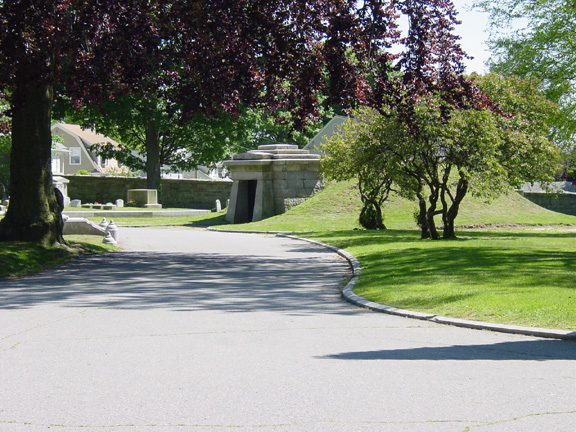
 Referred to in old city documents as the City Tomb, the strange structure built into a hill at Oak Grove Cemetery near the entrance is more recently called the holding tomb. There are two similar structures in the cemetery, the other being only slightly east of the Borden-Almy plot. The purpose of these tombs was to provide a place in winter where coffins could be stored until the ground thawed enough for a grave to be dug. There were also other circumstances when a coffin could not be immediately buried, either because of a dispute as to plot ownership, police matters which might require further investigation, or a delayed burial for legal reasons. Early regulations going back to 1856 define time limits for how long a body was allowed to remain in the holding tomb, the shortest of ten days being in the summer months. Except by order of the mayor, the deceased was required to be a citizen of Fall River to be held in the City Tomb.
Today the holding tomb contains gasoline for the lawn equipment and is locked, its former use no longer required. The descent into the holding bays is steep. There are four bays on each side of the underground vault, each capable of holding three coffins on tiered shelves inside the bays.
 (photo, Ginny Lahman)
Notably, Andrew and Abby Borden spent a week awaiting their full autopsy (done on August 11th in the Ladies’ Comfort Station near the front gate) inside the structure with heads intact, and nearly another week, thanks to Dr. Dolan, with heads removed in the holding tomb before burial at last in the family plot. Even in hot weather, the temperature deep inside the holding tomb remains very cool.
 (photo, Ginny Lahman)
 (photo, Ginny Lahman)

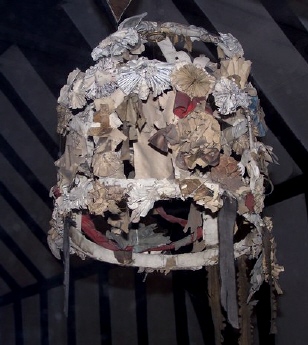
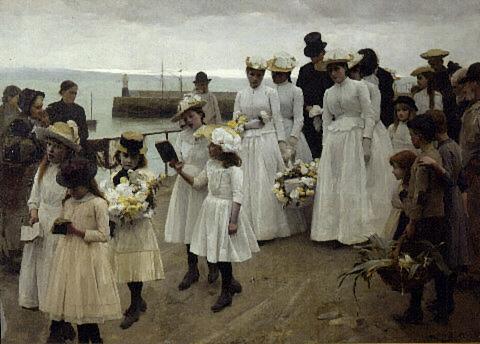
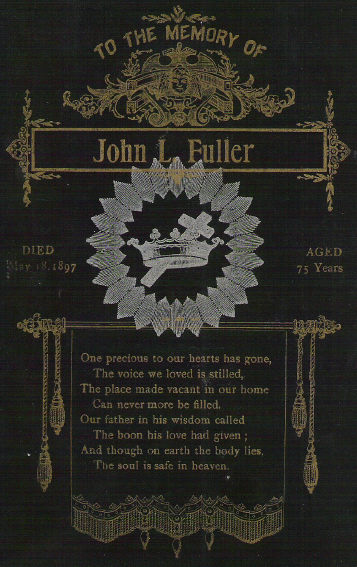
 ladies of the parish to construct garlands which were solemnly carried before the casket by two maidens on the way to the cemetery. These garlands were constructed of white paper, and after the cemetery service were hung in the church. Also crowns of white living flowers were made which would be borne to the grave by maidens in flowing white dresses, generally processing in pairs. Statuary in Oak Grove frequently makes use of the symbolism of a crown of rosebuds, lilies, and garland swags for the grave markers of maidens.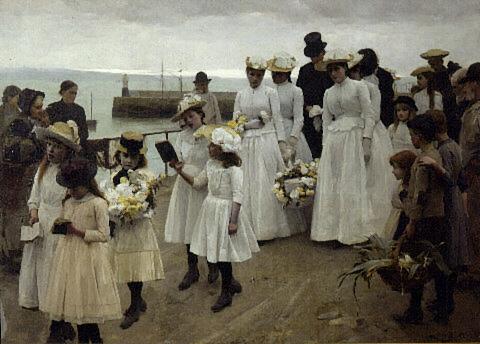

 Friends of Oak Grove Cemetery